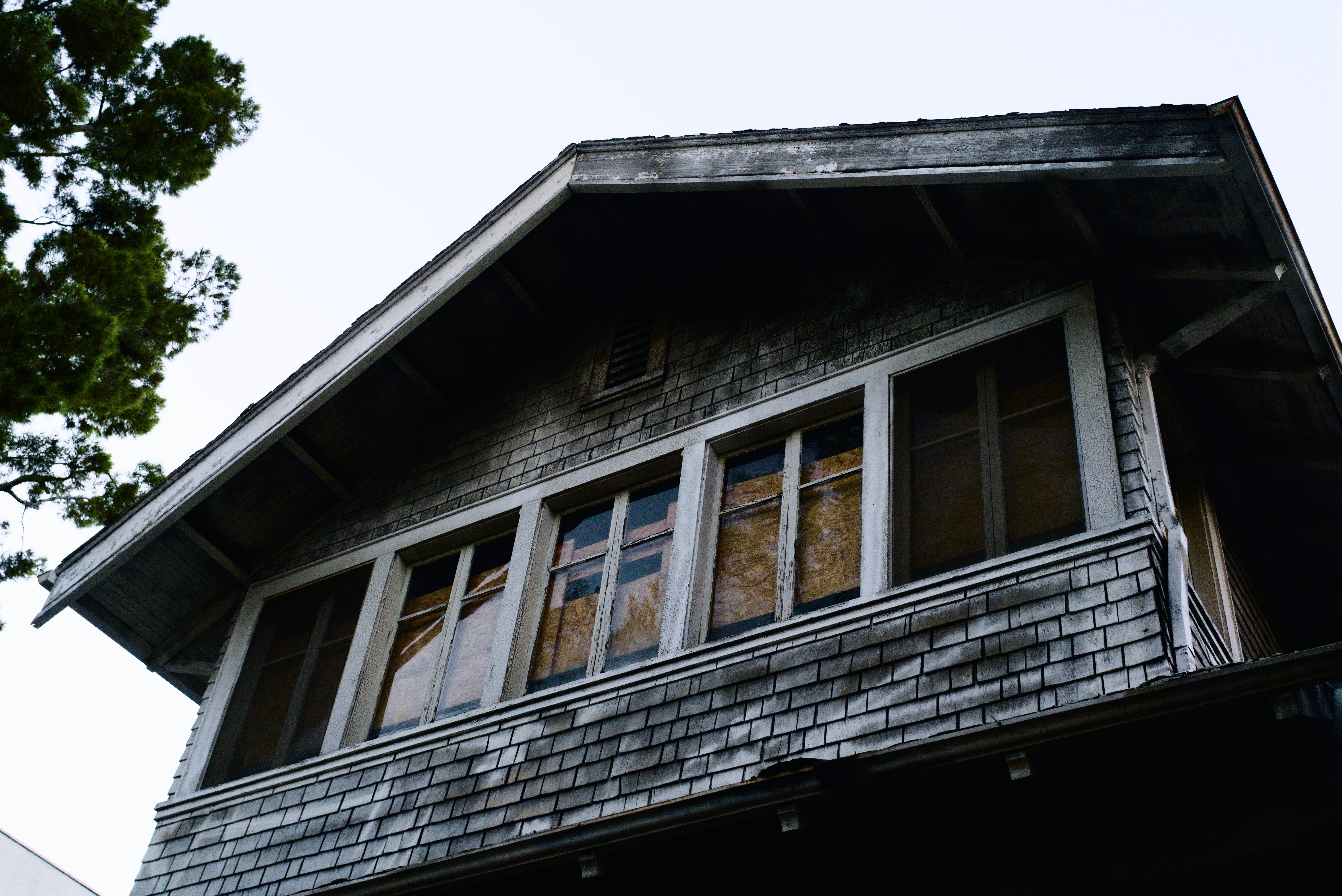
It rained yesterday; and there was a crisp, cool, damp smell in the air this morning. In the week before Halloween, it's starting to feel like Fall.
This morning we went to breakfast as usual. I ordered an iced vanilla latte with oat milk for my wife, a decaf latte with soy milk for myself. “Today” by The Smashing Pumpkins was playing on the Marshall bluetooth speaker behind the counter. As I looked at the Halloween decor and the people, who were a little more bundled up than before, I felt a strange nostalgic deja vu.
It's like coming home again, but home has changed; a seasonal marker to return to each year. No two are the same, but there are echoes. Motifs and themes are reworked, and the song continues on.
To the question “What problem does the information solve?” the answer is usually “How to generate, store, and distribute more information, more conveniently, at greater speeds than ever before” (61).
Postman, Neil. Technopoly: The Surrender of Culture to Technology. 1st Vintage Books ed., Vintage Books, 1993.
What lengths would you go to in the pursuit of emotional healing and belonging? How do cults, or more broadly what the author refers to as high-control communities, operate? Sarah Gailey did a masterful job of exploring those ideas and more in this book.
I wanted to read another recent horror release in the leadup to October/Halloween, and after doing some research, I stumbled onto this novel. The horror in this book was decidedly different from The Widows of Winding Gale in that it operated at a real human level. There were some fantastical elements that came into play with the reef surrounding the island where the story took place, but those elements took a backseat to the horror generated by the characters.
How much of my daily life is lived through layers of abstraction?
I was thinking recently about all the products I use where I don't understand how they function, the systems I interact with that existed before I was born where I have no knowledge of how they came to be, and habits I act on that I know are beneficial but don't understand why. I know we like to talk about the complexity of the modern world—and that's not wrong—but I still want to stay curious about how and why things work the way they do.
I've been writing in a journal daily now for about two years. After trying to journal many times in the past, I'm as surprised as anybody that I stuck with it this long. It took a lot of effort in the beginning, and it's interesting to see how short most of my early writing was. I was struggling to even come up with what to write about!
Once I got about six months into daily writing, the entries start to expand. I started to discover what I wanted to write about and actually allow myself to write about it. That second part was crucial. I also noticed that as the writing got longer, my hand started to cramp up before I felt like I was done getting my thoughts out on the page. That's when I discovered fountain pens.
It doesn't matter what you believe. The dead don't need your belief, no more than the sun needs your permission to shine. But to say you don't feel it, each and every year at this time, the tightening of the air, like a rubber band pulled to near breaking, is to fool yourself for your own comfort. This is when the veil is thinnest, and if you listen, you can hear them at the threshold, whispering (ch.7).
What a delightful, fast-paced read to ring in the spooky season! With a nod to John Carpenter and The Fog specifically, I hoped I was in for some atmospheric dread and that's what I got.
How is history written? Is it a static record or the somewhat subjective view of those who lived through it? John Williams takes the latter view in Augustus by exploring the narrative of Augustus Caesar's life through fictional correspondence letters.
While walking the dog yesterday morning, I passed a man walking the other direction. He was wearing sunglasses and a beanie, talking gruffly into his earbuds. His shoulders were hunched and he looked ready for a fight.
He passed me by, but my attention lingered on his presence; initially, I formed a judgement: “Seems like an a-hole.” Then I felt superiority: “I'm glad I don't start my mornings like that, mad at the world.” I have no idea what was actually going on, and I'll probably never see him again. Yet, here we are a day later, and I'm still ruminating on it.
Do I see a little of myself in that man, a complete stranger? I have bristled and puffed myself up to protect myself. I've used body language to dissuade people from invading my space. When I walk in this protective mode, alone, I overlook the world falling silent. It has stopped speaking to me. I wonder: What else do the walls keep out?